Earlier condition awareness
See visible conditions and access constraints before committing people and equipment.
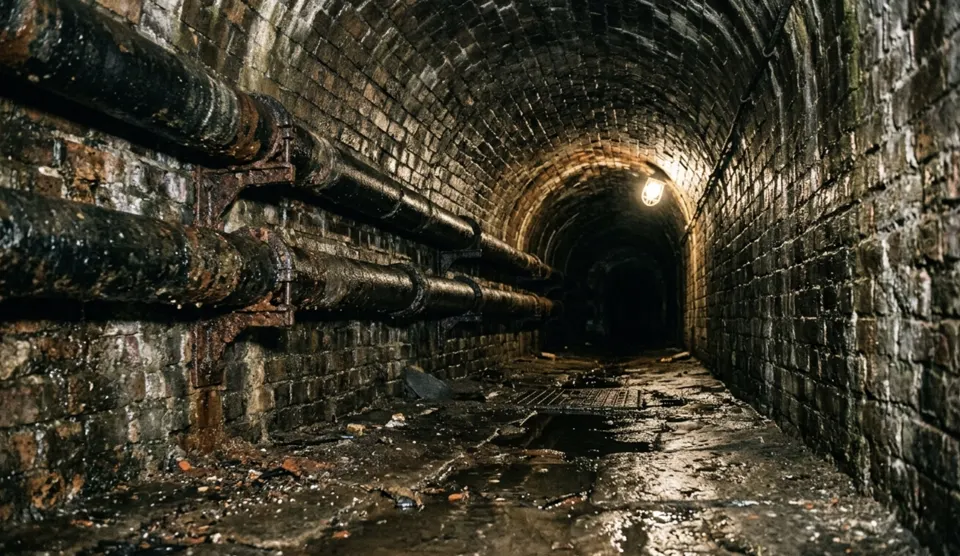
COAX is a compact inspection drone for close-range data capture in underground drainage infrastructure where access is constrained and GPS is unavailable.
Plan a pilotSewers, culverts and larger collectors can contain standing water, deposits, obstructions, damaged surfaces and uncertain access conditions. COAX is intended to gather visual evidence before teams plan cleaning, repair or closer specialist examination.
See visible conditions and access constraints before committing people and equipment.
Gather close-range imagery in dark underground infrastructure where GPS is unavailable.
Organize observations and source evidence in RevSight for maintenance planning.
Flight suitability depends on diameter, airflow, water level, obstructions and communication conditions.
A useful pilot combines route planning with a clear list of observations to capture.
Review entry points, dimensions, water, airflow, obstacles and communication range.
Fly the agreed section and record visible defects, deposits and obstructions.
Connect observations with footage and prepare an actionable inspection record.
Yes. COAX is designed for GNSS-denied environments, including underground and enclosed infrastructure.
No. Suitability depends on available space, water, airflow, contamination, obstacles, access and communications. These conditions must be assessed first.
Depending on visibility, imagery may reveal deposits, obstructions, surface damage, displaced elements, infiltration signs or areas requiring closer specialist testing.
Share dimensions, access points, known obstacles and the observations your team needs.