Unsafe manual access
People still enter unsafe spaces before the risk is clear.
COAX is a compact drone for confined and hazardous environments. Paired with RevSight, it becomes a complete inspection platform - from data capture to actionable reports.
Confined assets are hard to access. Existing drones struggle up close. Raw video rarely gives teams a clear decision.
People still enter unsafe spaces before the risk is clear.
Open-air drones struggle near walls, pipes and clutter.
Raw footage is slow to review and hard to act on.
A compact inspection drone for tunnels, ducts, shafts, tanks and other spaces where manual entry is unsafe, slow or expensive.
RevSight ingests visual, thermal, 3D and metadata, then turns it into findings and reports.
Video, images, thermal, 3D scans, point clouds and metadata.
Mark defects and link evidence.
Export outputs for teams.
COAX captures data where access is difficult. RevSight structures it for review and decision-making.
Select the asset, suspected issue or inspection zone.
Send COAX into the confined or hazardous space before people enter.
Collect visual, thermal, low-light or depth-ready inspection data.
Use RevSight to identify, annotate and prioritize findings.
Create structured outputs for operational and maintenance teams.
COAX is being developed for inspection scenarios where safety, access and data quality matter.

The essentials about COAX, confined-space operations and the RevSight inspection workflow.
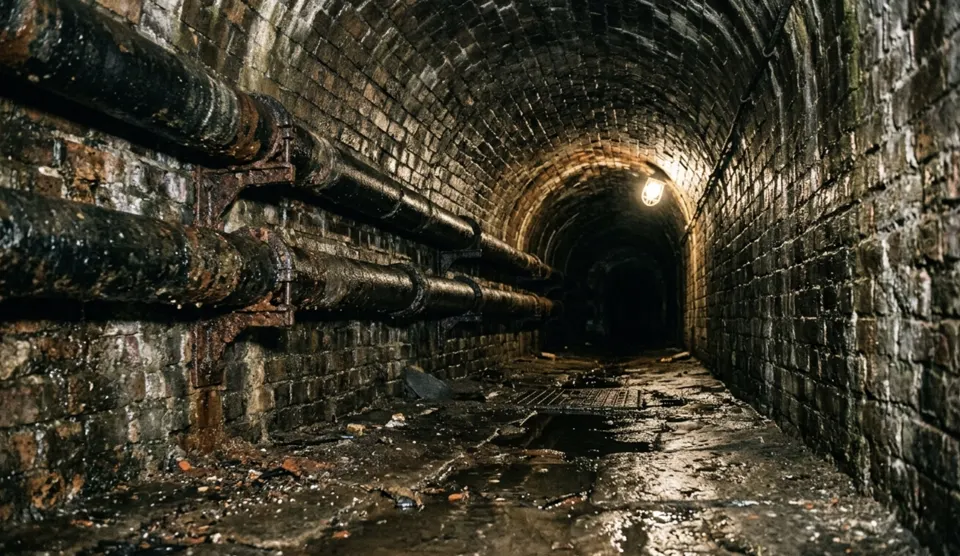
Yes. COAX is designed for confined assets where GNSS/GPS is unavailable, including tunnels, tanks, sewers, ducts and technical shafts.
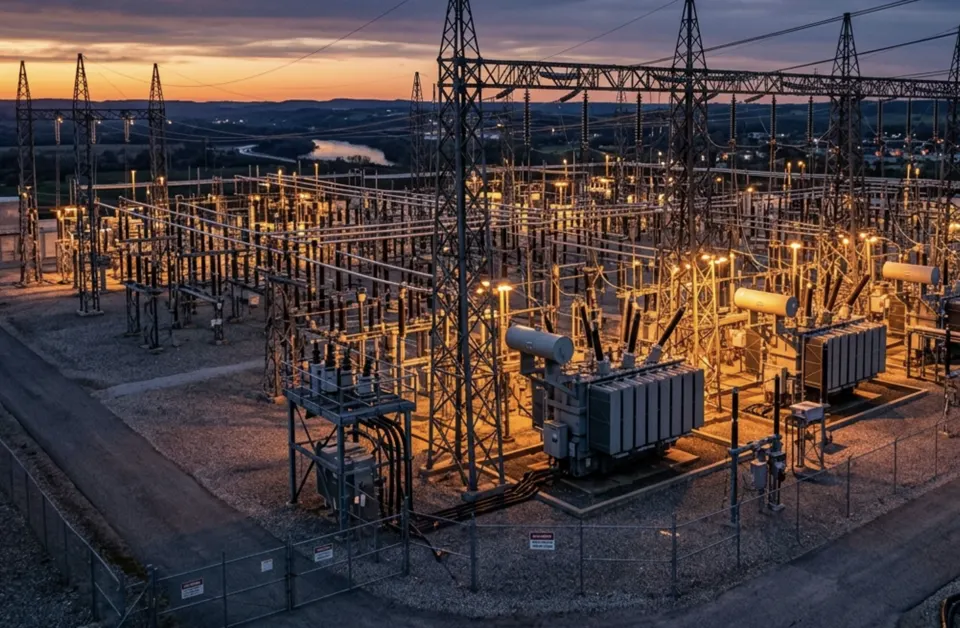
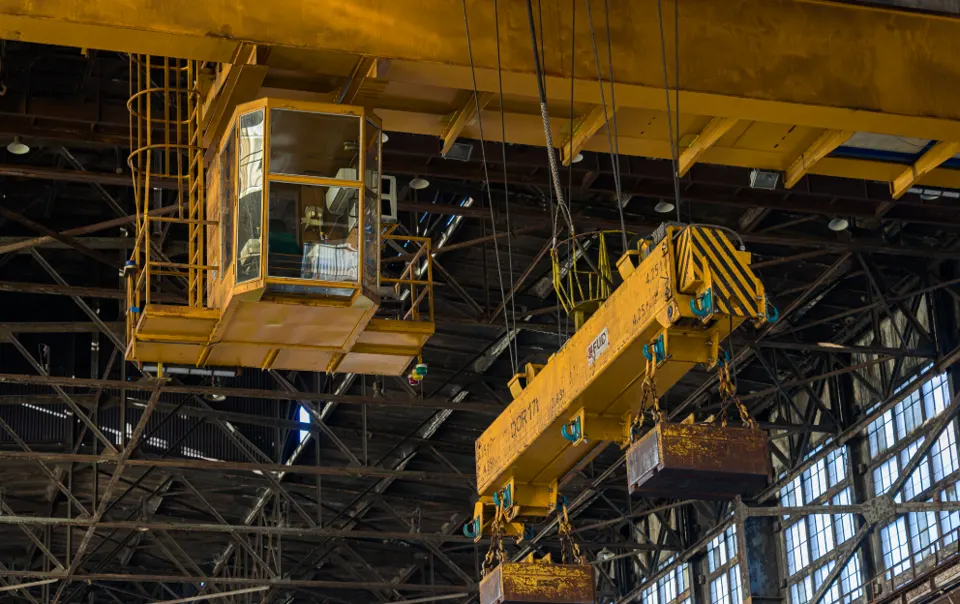
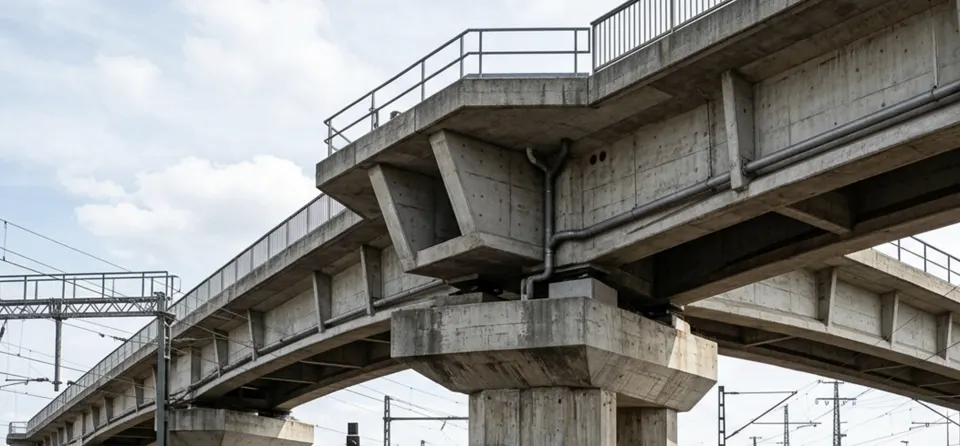
COAX is being developed for close-range inspection of tunnels, sewers, tanks, ducts, shafts, pipelines, industrial facilities and other difficult or hazardous spaces.
RevSight brings visual, thermal, 3D and metadata into one workflow so teams can review findings, connect evidence and prepare structured reports.
Yes. Revdock works with industrial and infrastructure partners to assess the asset, inspection objective, access conditions and expected outputs before a pilot.